

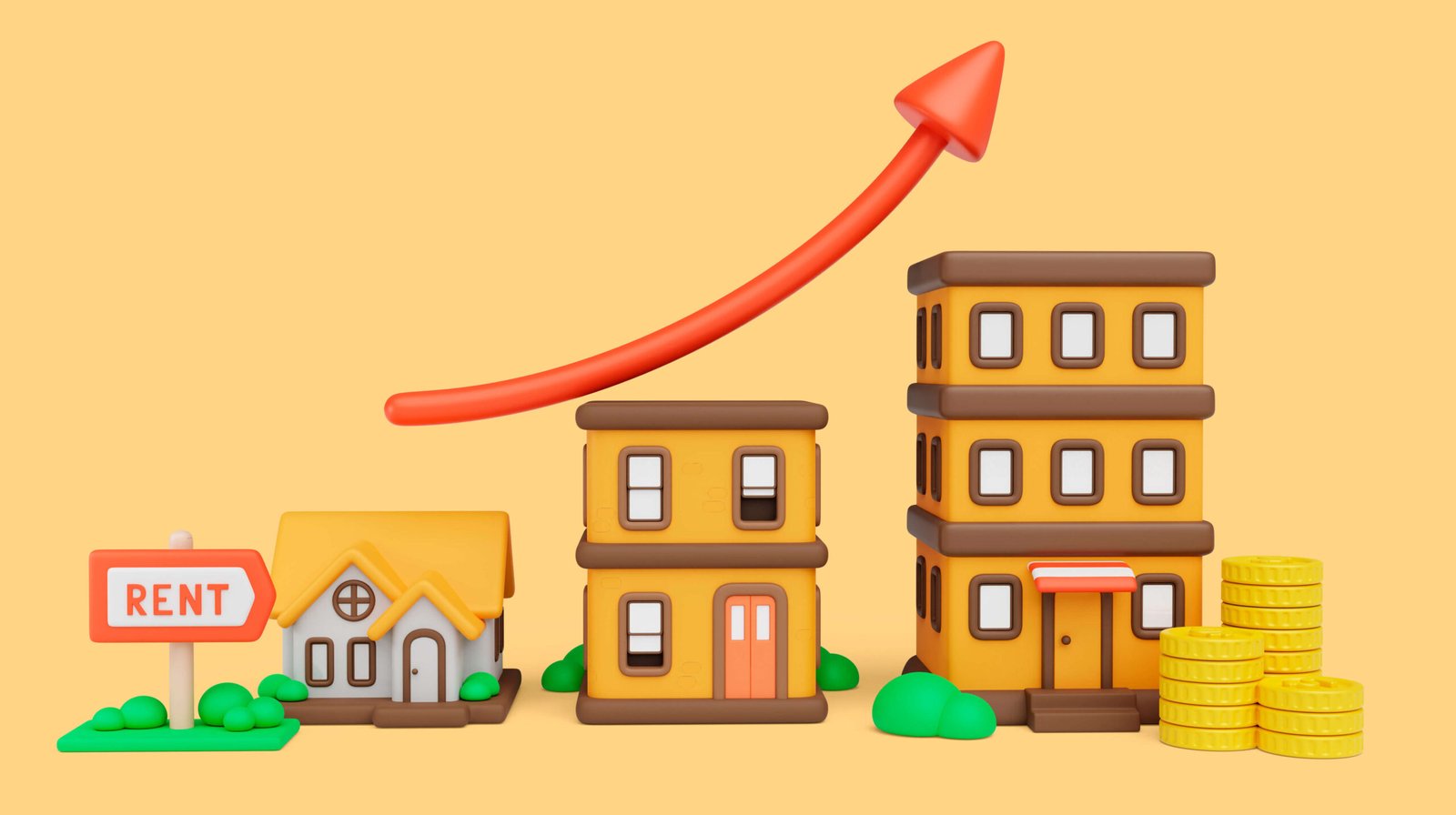

Apartment or Commercial Shop? Which Is Better for Investment in 2026?
Introduction: An Investment Decision That Cannot Be Random
Amid rapid economic changes, rising inflation rates, and fluctuating financial markets, real estate investment in 2026 has become one of the safest options for investors seeking to preserve their capital and generate sustainable income. With the expansion of investment options in the real estate market, many investors find themselves genuinely confused, whether they are beginners or experienced.
One of the most frequently asked questions today is: Apartment or commercial shop?
Is investing in residential apartments still the safest option, or do commercial shops now offer higher returns worth the risk? Which is better for generating monthly rental income? And which has lower investment risks and higher liquidity, making it easier to exit?
The truth is, there’s no single answer for everyone. Choosing the best type of real estate investment depends not only on expected returns but also on several factors, including investment goals, duration, risk tolerance, and the nature of the real estate market in 2026.
In this article, we provide a comprehensive and realistic comparison between investing in residential apartments and commercial shops, supported by numbers, practical examples, and analysis of short- and long-term returns. We will discuss the advantages and disadvantages of each option, explain which is suitable for beginners, and identify the better choice for long-term investment, helping you make an informed decision based on market reality rather than impressions or general advice.
First: Apartment vs. Commercial Shop – An Investment Perspective
When comparing an apartment to a commercial shop, it’s not enough to look at purchase price or rental value alone; you must understand the nature of each property and its role in the market. Each serves a different need and is influenced by distinct factors, making the comparison an investment question rather than a purely financial one.
Residential apartments meet one of the most stable human needs: housing. Therefore, investing in apartments provides near-constant demand, whether during economic growth or downturns. Housing demand never stops, resulting in stable rental income, easy tenant acquisition, and higher liquidity upon resale, especially in prime residential areas.
On the other hand, commercial shops are directly tied to economic activity and consumers’ purchasing power. Investment success depends heavily on location, foot traffic, and the type of business operating. During economic booms, commercial shops may yield higher returns than apartments, but they are more sensitive to slowdowns or recessions.
From a purely investment perspective, apartments offer more stability and lower risk, whereas commercial shops provide higher potential returns but require more precise market analysis and a greater ability to withstand fluctuations. Therefore, the difference lies not only in usage but also in risk level, income stability, and ease of exit.
Ultimately, the choice depends on your investment goal: Are you seeking steady income and long-term stability, or higher returns with calculated risk? This will be discussed in detail in the following sections.
Second: Investing in Residential Apartments
Investing in residential apartments is one of the most common options in the real estate market and is often classified as a safe investment, especially in 2026, due to ongoing housing demand and rising ownership costs. This type of investment attracts a wide range of investors, whether seeking fixed monthly income or aiming to preserve capital over the long term.
Advantages of Investing in Residential Apartments
Several factors make residential apartments a preferred choice:
- Stable and continuous demand for housing: Housing demand persists regardless of economic cycles, providing a high degree of stability.
- Ease of renting and low vacancy periods: Apartments are easier to rent, especially near services, transport, and workplaces, reducing vacancy periods.
- Higher liquidity on resale: Apartments can often be sold faster than commercial properties, which is crucial for investors who may need to exit quickly.
- Suitable for beginners: Simpler management and lower risk make apartments ideal for those starting in real estate investment.
- Stable returns: Annual rental yields typically range between 5%–8% and may be higher in prime areas or for smaller units with strong demand, such as studios or one-bedroom apartments.
Disadvantages of Investing in Residential Apartments
Despite the advantages, there are some challenges:
- Lower returns compared to commercial shops: In some areas, rental yields may be lower than those from commercial properties in prime locations.
- High supply in new cities: Increased apartment supply can slow renting and require competitive pricing.
- Ongoing management required: Maintenance, tenant management, and contract renewals demand attention and effort.
Overall, residential apartments remain suitable for those seeking stability, semi-fixed income, and relatively low investment risk, especially in the 2026 real estate market, which favors safer assets.
Third: Investing in Commercial Shops
Commercial shops attract investors looking for high returns, especially in 2026 with expanding commercial and service activities in prime areas. However, this investment requires a precise understanding of the market, as higher returns come with higher risk.
Advantages of Investing in Commercial Shops
- Higher rental income: Commercial shops can yield 10%–15% annually in prime locations, such as main streets, shopping centers, or densely populated areas.
- Relatively long-term leases: Commercial tenants often prefer longer leases, providing relative income stability.
- Regular monthly income: With a good location, commercial shops offer steady monthly income, especially for businesses relying on daily foot traffic, like pharmacies or supermarkets.
- Potential capital appreciation: Shops in growing commercial areas may increase significantly in value.
- High overall profitability: With the right location and market analysis, commercial shops can provide better overall returns than apartments, particularly for experienced investors.
Disadvantages of Investing in Commercial Shops
- Directly affected by economic conditions: Success depends on economic activity and consumer spending, making them more sensitive to recessions.
- Harder to resell than apartments: Lower liquidity may lead to longer selling periods.
- Possible vacancy periods: Failed businesses or low demand may increase vacancy duration, affecting income.
- Highly location-sensitive: Any misstep in choosing location can significantly reduce returns.
Overall, commercial shops suit investors able to tolerate higher risk for higher returns, provided they rely on thorough market analysis and careful location selection in 2026.
Fourth: Apartment vs. Commercial Shop – Returns
Comparing returns is not just a simple number; it depends on whether you value stable long-term income or higher returns with higher risk.
- Apartments: Moderate, stable return + gradual capital growth.
- Commercial shops: Usually higher return + more volatility.
Apartment Return Analysis
Rental yields are lower but stable, typically 5%–8% annually, potentially higher for small, high-demand units. Returns also include capital appreciation over time, especially in developing residential areas.
Commercial Shop Return Analysis
Rental yields may reach 10%–15% annually in prime locations, reflecting the ability of successful businesses to pay higher rent. However, these returns are contingent on:
- Business strength
- Area sales activity
- Overall economic stability
Practical Example:
- A residential apartment worth 2 million EGP may generate annual rent of 140,000 EGP (~7%) with potential for value appreciation.
- A commercial shop of the same value may generate 240,000 EGP annually (~12%) but is more sensitive to market fluctuations.
Which is more suitable?
- Stable income and long-term security: Apartment
- Maximizing returns with higher risk tolerance: Commercial shop
Fifth: Apartment vs. Commercial Shop – Risk
Assessing risk is as important as calculating returns, especially in 2026:
Apartment Risks
- Relatively low risk due to essential housing demand
- Nearly constant rental demand even in economic slowdowns
- Less affected by economic crises compared to commercial shops
- Easier to mitigate vacancy risk, especially in high-demand areas
Commercial Shop Risks
- Highly sensitive to economic activity and market fluctuations
- Longer potential vacancy periods if a business fails
- Returns depend on tenant success, often outside investor control
- Location-dependent: minor changes can significantly impact profitability
Risk Conclusion
Apartments clearly offer more stability and predictability, while commercial shops suit investors willing to accept higher volatility for greater potential returns. The choice ultimately depends on risk tolerance, not just expected returns in 2026.

Sixth: Apartment or Commercial Shop for the Beginner Investor
If you’re just starting your real estate investment journey, the essential question to ask yourself is: should I begin with a residential apartment or a commercial shop? This decision depends on your experience level, risk tolerance, and market conditions.
Residential apartments are generally considered the safer choice for beginner investors, as they carry relatively lower risk and are easier to rent or sell when needed, offering higher liquidity. Additionally, demand for residential units is typically stable, especially in major cities or prime residential areas, ensuring a steady monthly rental income.
Commercial shops may offer higher returns, but they require expertise in choosing the right location, understanding the commercial market, analyzing potential customer flow, and studying competition in the area. Beginners may find it challenging to assess these factors correctly, which increases the likelihood of risks and losses.
Therefore, it is usually recommended that beginner investors start with residential apartments, focusing on desirable locations close to essential services, schools, and transportation, to ensure a safe investment with quick liquidity before moving on to more complex commercial investments.
Seventh: Apartment or Commercial Shop for Rental Income
When it comes to rental income, residential apartments have an advantage in ease and speed of leasing, especially in large cities or prime residential areas where demand is stable and continuous. Apartments provide investors with consistent monthly income, with tenants being easier to attract without complex marketing efforts.
On the other hand, commercial shops generally generate higher rental income, especially on main streets or in shopping centers, but leasing them is more difficult. It requires careful study of customer traffic, the type of business that will occupy the shop, and a potentially longer period before finding a suitable tenant. Therefore, your choice between an apartment or commercial shop for rental purposes largely depends on your ability to handle vacancy periods and your flexibility in property management.
Eighth: Apartment or Commercial Shop for Long-Term Investment
For long-term investment, residential apartments provide steady and consistent capital growth, making them a safe option for investors seeking long-term stability without significant fluctuations. Apartments in prime areas often maintain their value and may gradually increase as housing demand rises.
Commercial shops, however, carry the potential for significant price jumps, especially in emerging or newly developed commercial areas where demand for commercial space grows rapidly. This type of investment requires continuous market monitoring and a solid understanding of business trends, as any changes in customer traffic or the local economy can affect both value and returns.
Ninth: The Best Real Estate Investment in 2026
There is no one-size-fits-all answer when searching for the best real estate investment in 2026, as the decision depends on the investor’s goals, risk tolerance, and investment horizon. However, the choice can be simplified as follows:
-
For stability and safety: Residential apartments are the most suitable option, thanks to their high liquidity and stable rental income.
-
For higher returns with calculated risk: Commercial shops may be the better choice, particularly in thriving commercial areas.
The real estate market in 2026 favors smart, data-driven investment rather than decisions based on impressions or random expectations. Your strategic choice should be based on market research, property demand, and expected rental yields.
Tenth: Real Estate Investment in 2026 – By the Numbers
Data indicates that 2026 presents positive trends for real estate investors:
-
A noticeable increase in housing demand, particularly in prime areas and major cities, enhancing the chances of fast leasing.
-
Improved rental yields, especially for apartments near key services and facilities, making investment more attractive.
-
Real estate continues to serve as a safe haven against inflation, representing one of the best ways to preserve capital over the long term compared to other financial instruments.
These numbers and analyses indicate that real estate investment in 2026 requires a clear strategy, focusing on prime locations and understanding market dynamics to maximize returns.
Conclusion: The Decision is Yours… But Backed by Numbers
Ultimately, there’s no single “best” choice for everyone. Apartment or commercial shop? The answer depends on your capital, goals, and acceptable risk level. What’s certain is that successful real estate investment in 2026 requires careful analysis, planning, and timely decision-making.
And don’t worry if you’re unsure Our team at SeekEstate is here to help you analyze the market, evaluate your options, and choose the most suitable investment with confidence. Contact us today and start your investment the right way!
What is the best real estate investment for beginners in 2026?
Residential apartments are usually the most suitable option for beginners because they involve lower risk and offer higher liquidity compared to commercial shops.
Is investing in commercial shops better than apartments?
Commercial shops can generate higher returns, but they require more experience in location selection, market analysis, and come with higher risk levels.
What is the difference between short-term and long-term investment?
Short-term investment focuses on rental income or quick resale, while long-term investment targets capital growth and property value appreciation over time.
Which areas are best for investing in rental apartments?
Prime locations near schools, transportation, and essential services typically have strong and stable rental demand.
What factors determine the success of a commercial shop?
Key factors include location quality, customer foot traffic, the type of business, and the level of competition in the area.
Is real estate investment safe in 2026?
Yes. With proper market analysis and smart location selection, real estate remains a reliable hedge against inflation in 2026.
How can I compare apartments and commercial shops before investing?
Compare your available capital, acceptable risk level, expected rental income, and the potential duration of vacancy periods.
What is the best way to minimize risks in real estate investment?
Conduct thorough market research, choose strategic locations, diversify between property types, and work with a trusted brokerage company.
What is the average return on residential apartments in 2026?
Returns vary by location, but apartments in prime areas generally achieve stable and consistent rental income.
Are commercial shops hard to rent?
Yes. Compared to apartments, commercial shops usually take longer to rent, especially in less active locations.
What are the main challenges in commercial investment?
Major challenges include selecting the right business type, ensuring sufficient customer traffic, managing competition, and handling market fluctuations.
How do I choose the ideal apartment for investment?
Focus on locations close to essential services, transportation hubs, schools, and areas with proven rental demand.
Can I combine apartments and commercial shops in my investment portfolio?
Yes. Diversifying between residential and commercial properties helps reduce risks and balance returns.
How important is market analysis before investing in real estate?
Market analysis is essential for understanding demand, forecasting returns, and avoiding poor investment decisions.
Is real estate investment suitable for everyone in 2026?
Not necessarily. Success depends on your capital, financial goals, risk tolerance, and understanding of the market.
What factors influence long-term property value growth?
Location, housing or commercial demand, urban development plans, and surrounding amenities all play a major role.
Is investing in small apartments profitable?
Yes. Small apartments in high-demand areas are easier to rent and provide stable rental income.
How do I manage vacancy periods in rental properties?
Maintain a financial reserve and invest in locations with consistent rental demand to reduce vacancy risks.
Can a brokerage company help me choose the right investment?
Yes. Professional brokerage companies provide market insights, return analysis, and expert guidance for confident decisions.
What is expert advice for successful investment in 2026?
Successful investment starts with accurate market analysis, choosing prime locations, and understanding risk levels before committing capital.

